



What Is Immunocytokine Therapy?
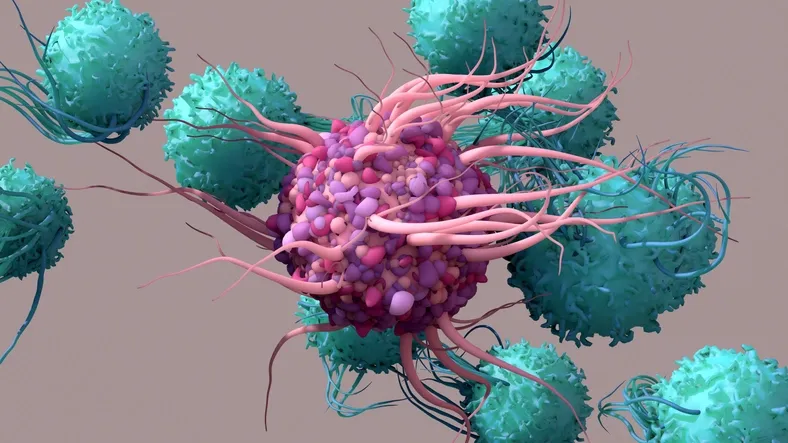
Immunocytokine therapy is a type of immunotherapy that uses cytokines. Cytokines are small proteins our bodies make that help cells of our immune system communicate. Some cytokines increase the activity of the immune system, while others slow down or regulate its activity.
A specific type of immunocytokine, called an antibody-cytokine fusion protein, is developed in a laboratory when an antibody and a cytokine are fused. When infused into the body, immunocytokines bind to targets on myeloma cells and activate the immune system to fight the myeloma. Immunocytokine therapy can be administered via intravenous infusion or injection.
How Immunocytokine Therapy Fights Multiple Myeloma
Myeloma cells affect the body by essentially “turning off” the immune system. The concentrated antibodies in immunocytokine therapy seek out specific markers on the surface of myeloma cells and attack them directly. This antibody-cytokine fusion protein myeloma treatment method works like a missile, guiding the cytokine directly to the cancer cells to minimize collateral damage.
Once the immunocytokine therapy binds to a myeloma cell, the attached cytokine activates other immune cells, like Natural Killer (NK) cells and T-cells. These two critical immune cells protect the body from deadly invaders by recognizing and attacking the invasive myeloma. This process allows the immune system to switch its defense back on, helping your body recognize and destroy malignant cells more effectively.
Potential Benefits of Immunocytokines for Multiple Myeloma
The primary benefit of immunocytokine therapy is its targeted delivery system. By bringing the concentrated cytokines directly to the tumor site, it can potentially achieve a more effective anti-cancer effect. This method may also cause fewer side effects than giving patients a large dose of cytokine to the whole body.
Another strength of immunocytokine therapy is the lower risk of triggering dangerous inflammation in healthy organs, which can sometimes occur when administering cytokines that circulate vaguely through the bloodstream. Some research suggests that immunocytokine therapy can help overcome resistance to other treatment methods by engaging the immune system differently from chemotherapy or standard monoclonal antibodies.
Risks and Potential Side Effects
All treatment options and medications have potential risks and side effects, including immunotherapy. If you're undergoing immunocytokine therapy for myeloma, you may experience flu-like symptoms, fatigue, and infection. In more serious cases, there is a risk for toxicities, including:
- Cytokine release syndrome (CRS): A systemic inflammatory response that occurs when the immune system overreacts and releases too many cytokines, often causing hypotension, fevers, and nausea.
- Immune effector cell-associated neurotoxicity syndrome (ICANS): A neurological side effect caused by inflammation, in which a patient can develop inattention, tremors, expressive aphasia, apraxia, and seizures.
Both of these conditions are generally treatable, and most patients recover with early detection. Modern immunocytokine therapy administration often includes prolonged infusion times to help healthy immune cells attack the tumor while maintaining low blood levels and mitigating adverse effects. Be sure to monitor for pain and new or worsening symptoms and to discuss any concerns with your healthcare providers.
Who Is a Good Candidate for Immunocytokine Therapy?
Immunocytokine treatment therapy is ideal for individuals whose myeloma doesn't initially respond well to treatment or stops responding and progresses despite treatment. Patients who have a period of improvement with treatment but begin showing symptoms of relapse can also be eligible for immunocytokine therapy. However, keep in mind that eligibility for immunocytokine therapy depends on your specific diagnosis, prior treatments, and overall health.
Fortunately, treatment options for multiple myeloma are evolving. Immunocytokine therapy may also help improve outcomes when combined with medication to overcome resistance. For example, TAK-573 (Modakafusp alfa) is a first-in-class drug. TAK-573 uses an antibody to deliver a protein, interferon alpha-2b (IFNα2b), to CD38+ receptors, which are on the surface of myeloma cells. In clinical trials, TAK-573 has been given intravenously to patients with relapsed/refractory multiple myeloma.
TAK-573 is being evaluated in previously treated, relapsed myeloma that is not responding to anti-CD38 antibodies, such as Darzalex® (daratumumab). TAK-573 is being tested as a single agent and in combination therapy with other drugs. Be sure to talk with your doctor about whether immunocytokine therapy has potential as a treatment option.
Questions to Ask Your Healthcare Team Before Starting Treatment
It's normal to have concerns when seeking new treatment options for multiple myeloma. At your next medical appointment, reference this list of questions to learn more about immunocytokine treatment for multiple myeloma:
- What will my treatment schedule look like?
- Are there any clinical trials for this type of therapy that I should consider?
- What are the specific side effects to watch for with this treatment, and how would we manage them?
- How would we measure if this therapy is working?
- Will this type of therapy impact my lifestyle?
- How will you administer the immunocytokine therapy?
- How can my care partner support me during treatment?
Navigating Your Myeloma Treatment Journey
Immunocytokine therapy is a targeted treatment that uses the immune system to fight myeloma. If you or a loved one has been diagnosed with multiple myeloma, staying informed on the latest advancements can help you feel empowered to take an active role in care decisions.
At the International Myeloma Foundation (IMF), we're dedicated to improving the quality of life of myeloma patients. With more than 50 cure-focused research projects ongoing worldwide, we hope to get closer to prevention and a cure. We want myeloma patients to know they're not alone. For personalized information and support, speak with an IMF InfoLine Coordinator at 800-452-CURE (2873) or check out our online resources.
- Kaufman, J. L., S. Atrash, Holstein, O. Nadeem, D. Benson, K. Suryanarayan, Y. Liu, et al. “S181: MODAKAFUSP ALFA (TAK-573): UPDATED CLINICAL, PHARMACOKINETIC (PK), AND IMMUNOGENICITY RESULTS FROM A PHASE 1/2 STUDY IN PATIENTS (PTS) WITH RELAPSED/REFRACTORY MULTIPLE MYELOMA (RRMM).” HemaSphere 6 (June 2022): 82–83. https://doi.org/10.1097/01.HS9.0000843616.11738.cb.
The International Myeloma Foundation medical and editorial content team
Comprised of leading medical researchers, hematologists, oncologists, oncology-certified nurses, medical editors, and medical journalists, our team has extensive knowledge of the multiple myeloma treatment and care landscape.
Additionally, the content on this page is medically reviewed by myeloma physicians and healthcare professionals.
Last Medical Content Review: January 6, 2026