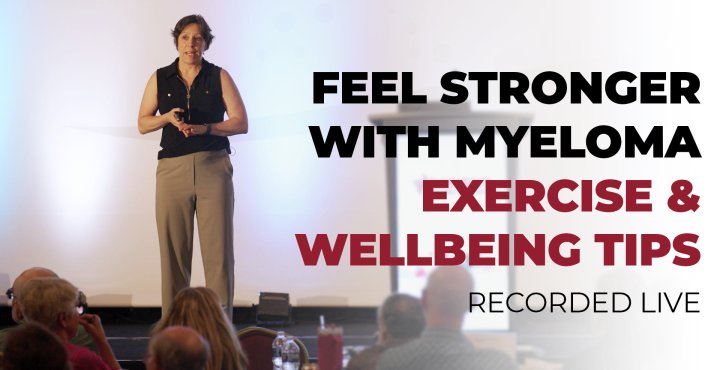



The Benefits of Exercising With Multiple Myeloma
Studies have shown that exercising with myeloma can provide several health benefits, such as:
- Bone density and strength: Myeloma can make bones fragile. Taking part in supervised exercise can help keep the muscles around them stronger.
- Mental well-being: A positive mindset is priceless. Being active helps improve your overall mood and reduce anxiety.
- Immune system benefits: Regular exercise can improve immune system health, which is crucial for fighting diseases.
- Blood clot prevention: Being mobile improves your blood circulation, which can help reduce the potential of blood clots forming.
All of these benefits help combat the fatigue experienced during treatment.
Is Exercise Safe for People With Myeloma?
Exercise is perfectly safe for most people with myeloma. However, it needs to be done correctly to make it as safe and beneficial as possible.
Recommended activities for people with myeloma
Some great physical activities to do during myeloma treatment include:
- Walking: Walking is enjoyable. It makes exercise a fun, exploratory experience while increasing blood flow and muscle tone. Regular walks can also help improve your balance, reducing the risk of falls.
- Swimming: Swimming is an excellent low-impact exercise that supports strength and flexibility without putting excessive strain on the bones. It's also a key part of improving cardiovascular fitness.
- Gentle stretching: Stretching can help you manage pain or discomfort during treatments. It can be done before and after exercises, or simply used to improve flexibility and pain management. Visit Yoga4cancer - A Leader In Oncology Yoga.
- Tai Chi: This mind-body practice involves slow, gentle movements and deep breathing. It can improve balance, flexibility, and muscle strength while reducing stress, making it an effective way to manage fatigue and discomfort.
Talking to your healthcare team before starting a new exercise program is essential. Also, consider exploring the YMCA' s partnership with the Livestrong® Foundation's small group cancer programs.
Activities to approach with caution
These activities should either be avoided or done with the supervision of a qualified professional:
- High-impact exercises: Myeloma can cause lesions or bone thinning, making bones more fragile. High-impact movements can potentially increase injury risk and aren't usually recommended.
- Heavy lifting: Lifting heavy weights can put harmful pressure on the skeletal system.
- Activities with fall risks: Any exercise that puts extra strain on the body or has the potential to weaken bones due to falls should be avoided.
Physical Activity During Myeloma Treatment
We understand that people going through myeloma treatment will have good days and bad ones. You dictate how much exercise you do based on your energy levels. On good days, a short walk can do wonders for your mental health. When the day's been a little tougher, some gentle stretching in bed is still something worth celebrating.
Listening to your body is the most important thing you can do. Having the support of resources and guides can help you learn how to exercise the right way, keeping your health and safety a priority.
Improving Quality of Life for Everyone Involved
The International Myeloma Foundation (IMF) is the world's leading multiple myeloma prevention and research organization. We've been supporting people with myeloma and their families since 1990. Our global team of experts is dedicated to making progress in research, education and support for anyone who has been affected by myeloma worldwide.
We have carefully crafted a deep and supportive network of 160 myeloma-specific support groups across the U.S. Our goal is to ensure there's a support group full of survivors and care partners ready to support you, no matter where you are in the country.
Your Myeloma Fitness Guide Starts Here
People living with myeloma, care partners, and healthcare professionals deserve access to information. IMF takes pride in empowering people, connecting them with valuable research and educational resources. We create and maintain a large library of advice and guides for people with myeloma, and our publications are always free. Explore our mind and body wellness page for more information about exercise for people with myeloma.
Do you have any other questions or concerns? Our InfoLine specialists have the answers. Contact us today at 800-452 CURE (2873) for a supportive, confidential conversation.