2026 ASCO and EHA: Top 10 Research Abstracts (https://www.myeloma.org/blog/2026-asco-eha-top-10-research-abstracts)
2026 ASCO and EHA: Top 10 Research Abstracts
International meetings highlight advances in myeloma
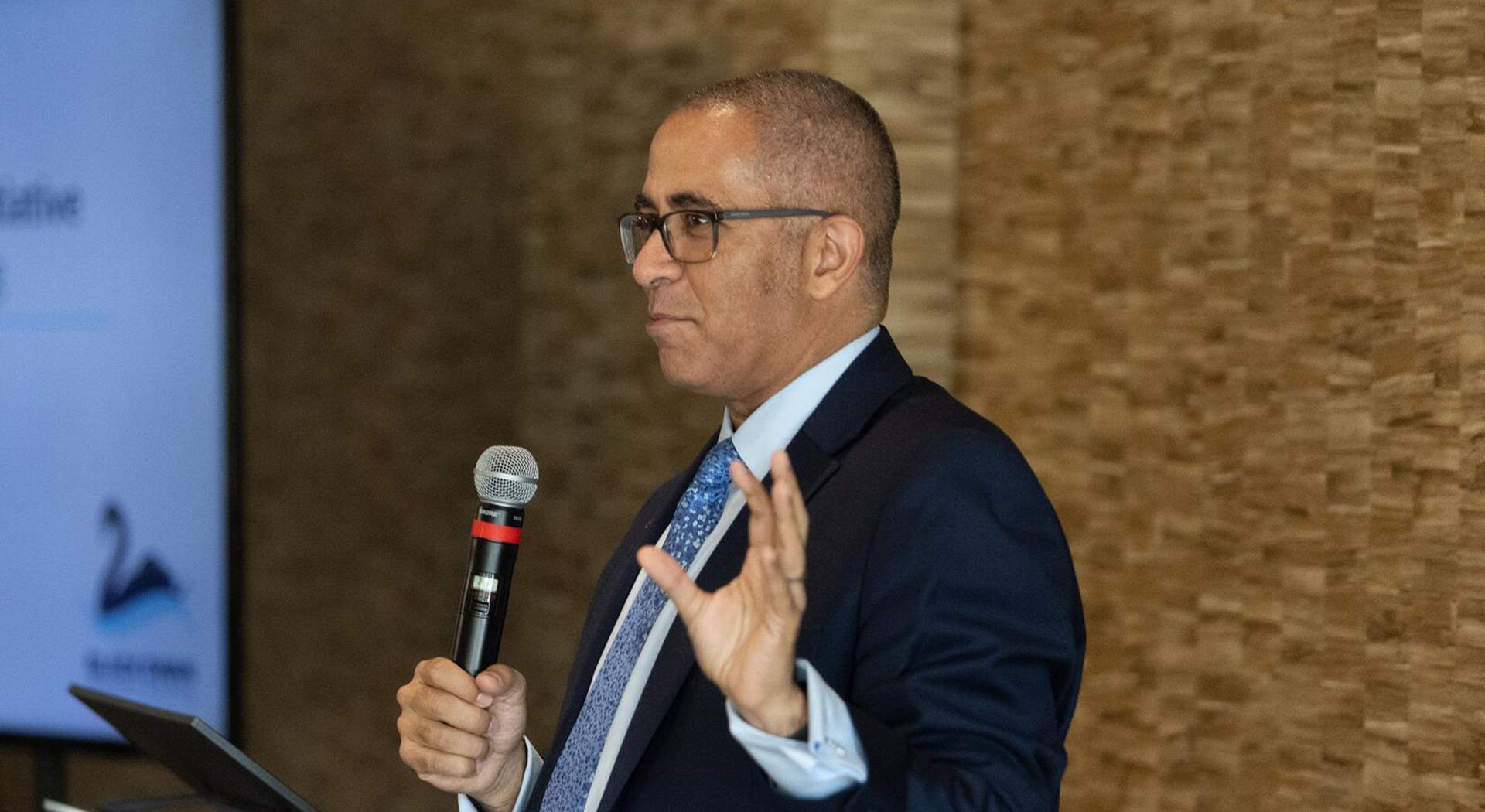
By Dr. Joseph Mikhael, IMF Medical Advisor
Three of the most important annual medical meetings in myeloma take place each summer. This year, the American Society of Clinical Oncology (ASCO) meeting was held from May 29th to June 2nd in Chicago, Illinois; the 17th Annual Summit of the IMF International Myeloma Working Group (IMWG) was held June 8th-10th in Stockholm, Sweden; and the European Hematology Association (EHA) meeting was held June 11th–14th, also in Stockholm.
This article will focus on my Top 10 research abstracts from the ASCO and EHA meetings that reflect the rapid advances in myeloma throughout the disease course.
Frontline therapy
Frontline therapy is the initial treatment used in an effort to achieve response (also called remission) in a person with newly diagnosed multiple myeloma (NDMM).
Abstract #1
Blenrep® (belantamab mafodotin)
Blenrep, an antibody-drug con jugate approved by the U.S. Food and Drug Administration (FDA) for the treatment of relapsed myeloma, is now being tested for NDMM. The DREAMM-9 clinical trial of Blenrep + Velcade® (bortezomib) + Revlimid® (lenalidomide) + dexamethasone [BVRd] in patients with NDMM who are not eligible for transplant presented its final analysis. Data show impressive rates of complete response (CR).
The BVRd combination introduces a new mechanism of action (MOA), the process through which a drug produces its effect. By targeting the B-cell maturation antigen (BCMA, a protein on the surface of myeloma cells), BVRd could be a great combination for some patients with NDMM. A reduction of the dosing frequency may help avoid some of the eye-related side effects, but this may compromise treatment efficacy.
Abstract #2
Iberdomide combination
Iberdomide is the first in a new class of drugs called cereblon E3 ligase modulators (CELMoDs). CELMoDs work similarly to Revlimid and Pomalyst® (pomalidomide) in binding cereblon, which triggers a pathway of protein degradation to destroy the myeloma cell. But CELMoDs are more potent because they bind cereblon more tightly.
The IDEAL clinical trial is studying iberdomide + Darzalex® (daratumumab) + Velcade + dexamethasone [Iber-DVd] in patients with NDMM. In Iber-DVd, iberdomide replaces Revlimid in the DVRd combination (currently one of the standard-of-care therapies for NDMM). Iber-DVd is very potent and allows for all treatments but iberdomide to be stopped at 1 year. Importantly, iberdomide seems to have fewer side effects than lenalidomide: less fatigue, rash, and diarrhea. We anticipate iberdomide to be approved by the FDA for relapsed myeloma in the near future.
Maintenance therapy
Maintenance therapy is given to prolong remission. For many years, maintenance therapy with Revlimid after autologous stem cell transplant (ASCT) has been the standard of care. However, about 1 out of 3 patients has to stop maintenance due to side effects. In addition, Revlimid maintenance may not be enough for higher-risk patients.
Abstract #3
The EMN30/MajesTEC-4 clinical trial evaluated the efficacy and safety of Tecvayli® (teclistamab) alone or with Revlimid vs. Revlimid alone after ASCT. Treatment was given to patients with NDMM for a fixed duration of 2 years. Results show impressive deep and durable responses.
Tecvayli is a bispecific antibody that binds to two targeted cell proteins – BCMA and CD3 – and uses the immune system’s T-cells to kill myeloma cells. While more follow-up is needed, this study gives an insight into using bispecific antibodies in maintenance therapy and giving maintenance for a shorter, fixed period of time.
Relapsed myeloma
Patients are considered to have relapsed/refractory multiple myeloma (RRMM) if their disease comes back at least 60 days after the prior treatment has ended
Abstract #4
Talvey® (talquetamab)
The MonumenTAL-3 clinical trial abstract was selected for the EHA plenary session as one of the top research abstracts. This study compared the bispecific antibody Talvey + Darzalex [Tal-D] or Tal-D with Pomalyst [Tal-DP] vs. Darzalex + Pomalyst + dexamethasone [DPd] in patients with RRMM.
Among the two groups of patients receiving Tal-DP and Tal-D, PFS benefits were seen across subsets that included older patients, patients with high-risk cytogenetics, those previously treated with Darzalex, and patients with soft tissue plasmacyto mas. At 2 years of follow-up, PFS rates for Tal-DP and Tal-D were 81.3% and 77.6%, respectively. Overall survival rates for Tal-DP and Tal-D were 89.2% and 87.9%, respectively.
There are side effects that need to be managed; nonetheless, we will likely see FDA approvals in the near future.
Abstract #5
Tecvayli® (teclistamab)
The MajesTEC-9 clinical trial of Tecvayli as a single agent (monotherapy) vs. Pomalyst + Velcade + dexamethasone [PVd] or Kyprolis® (car filzomib) + dexamethasone [Kd] in RRMM presented an important follow-up. The MajesTEC-3 study led to the FDA approval of Tecvayli + Darzalex [Tec-Dara], but with more patients receiving Darzalex in frontline therapy.
Testing Tecvayli alone was critical, and the results were remarkable. Tecvayli was superior to PVd and Kd, with the 18-month PFS of nearly 70%, a high number given that study patients had on average 2 prior lines of therapy. Infections remain a concern, but with more careful use of supportive care, this can be reduced. This option will likely receive FDA approval soon.
Abstract #6
The MajesTEC-3 study presented an updated analysis of risk status in patients with RRMM receiving Tec-Dara, adding insight into the power of Tec-Dara. The 3-year PFS was over 90% in patients with standard-risk myeloma – a number never seen before. The 3-year PFS was 80% in patients with high-risk myeloma. This study further strengthens the argument for considering Tec-Dara in early relapse of myeloma.
Abstract #7
Etentamig
Etentamig is a new oral bispecific antibody that’s not yet approved by the FDA. It is unique in that from the start of treatment it is given only once per month. Although the number of patients in the clinical trial is small, etentamig can be used with good outcomes after treatment with CAR T-cell therapy in patients with RRMM and prior BCMA-targeted therapy.
I am impressed with the strategy to use etentamig as an outpatient therapy given in the community, not in a hospital. With preventive medication tocilizumab, 0% of patients experienced cytokine release syndrome (CRS), a potential immune reaction that can damage body tissues and organs.
Abstract #8
Mezigdomide combination
The SUCCESSOR-2 clinical trial introduces us to mezigdomide, the second drug in the new class of CELMoD agents. This study compares mezigdomide + Kyprolis + dexamethasone (currently known by the acronym Mezi-Kd) vs. Kd alone in patients with RRMM and more heavily pretreated disease. Mezigdomide is even more potent than iberdomide. Mezi-Kd more than doubled the PFS of Kd (18 months vs. 8 months).
Mezigdomide is an oral therapy that does not adversely affect T cells, preserving the option of therapies like CAR T-cell therapy and bispecific antibodies. Mezi-Kd does come with a high rate of low white blood cell count (neutropenia), but this can be carefully managed. We anticipate that the Mezi-Kd combination will be FDA-approved in the coming months.
Abstract #9
Arlocabtagene autoleucel
A study of arlocabtagene autoleucel (called arlo-cel for short) presented updated safety and efficacy results for this CAR T-cell therapy for patients with RRMM who had 1–3 prior regimens. Arlo-cel targets GPRC5D on the surface of myeloma cells, as opposed to the two FDA-approved CAR-T ther apies that target BCMA.
Most side effects were milder than with continuous Talvey. But there were also some neurological side effects. It would be highly valuable for patients to have options of CAR-T therapies that use different targets as this will likely lead to some patients having more than one CAR-T therapy over the course of life with myeloma. Having more options of targets and methods of treatment will provide broader choice for patients.
Abstract #10
KLN-1010
The inMMyCAR clinical trial of KLN-1010 is a first-in-human study of in vivo CAR T-cell therapy that does not require T cells to be collected from patients. Instead, patients are given a medication that converts some of their own T cells into CAR T cells. This could make CAR T-cell therapy much more accessible worldwide. The updated results remain impressive. All 18 study patients achieved minimal residual disease (MRD)- negativity in the first month of treatment! MRD is the presence of residual cancer cells after treatment is completed and complete response (CR) has been achieved. MRD-negativity means that not even 1 myeloma cell is found in 100,000 or 1,000,000 sampled bone marrow plasma cells (depending on sensitivity of the test used).
Only 1 patient has progressed, and there were lower rates of CRS and low blood counts than we expect from the CAR T-cell therapies already approved by the FDA.
In conclusion
The 10 abstracts I have shared with you are exciting in their potential benefits for people living with myeloma. And this research is not a dream to be fulfilled at some point in the distant future. These studies will most likely lead to several FDA approvals in the near future that will have an impact on the people who are living with myeloma right now.
These studies may be my “Top 10” takeaways from the 2026 ASCO and EHA meetings, but there is so much other important research being done in myeloma. These are genuinely exciting times for myeloma patients. We ARE moving closer to a cure. Don’t miss future editions of Myeloma Today and visit the IMF website myeloma.org to stay abreast of all the cutting-edge research happening in myeloma.
(This article was originally published in the 2026 Summer Edition of the IMF's quarterly publication, Myeloma Today. Read the full publication here (https://www.myeloma.org/resource-library/myeloma-today-summer-2026).)